The Biology of Stress
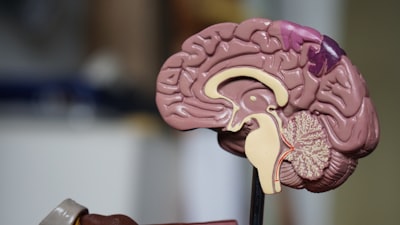
Stress starts in the brain. When the amygdala detects a threat — real or perceived — it activates the hypothalamus, which in turn triggers the HPA axis (hypothalamus–pituitary–adrenal cortex). The adrenal glands release cortisol and adrenaline within seconds. Heart rate increases, blood pressure rises, muscles tense, the immune system is suppressed, and blood sugar spikes. The body prepares for fight or flight.
This acute stress response has protected us for millions of years. The problem is that modern stressors — work demands, financial uncertainty, digital noise, social comparison — have no physical solution to fight or flee from. The HPA axis never shuts off. Cortisol keeps flowing. And the body pays the price.
There is an important distinction to understand: acute stress (eustress) can actually improve performance — it sharpens focus, boosts energy, and temporarily strengthens the immune system. Chronic stress (distress) does the opposite: it breaks down every system it touches. The difference comes down to recovery — acute stress is followed by rest, chronic stress is not.
💡 Did you know? Chronic stress can literally shrink your hippocampus — the brain region that controls memory, learning, and emotional regulation. But the damage is reversible: with regular meditation, exercise, and good sleep, hippocampal volume can be restored within 8–12 weeks.
Chronic Stress — The Consequences
Chronic stress is not just unpleasant — it drives biological damage in nearly every organ system. Here are the most important consequences:
- The Brain — Elevated cortisol shrinks the hippocampus and impairs the prefrontal cortex (decision-making, impulse control). The amygdala, in contrast, grows and becomes hyperreactive — you react more strongly to threats and have a harder time calming down.
- The Immune System — Short-term stress can strengthen the immune system, but chronic stress does the opposite. It suppresses T-cells and NK cells, increases inflammatory cytokines (IL-6, TNF-α), and drives systemic low-grade inflammation — the foundation of most chronic diseases.
- The Heart — Chronic stress raises blood pressure, heart rate, and inflammatory markers. Studies show that high work-related stress increases the risk of heart attack by 23% and stroke by 33%.
- Metabolism — Cortisol drives insulin resistance, increases abdominal fat (visceral fat), raises ghrelin (hunger hormone), and lowers leptin (satiety hormone). Stress eating is not weakness — it is biochemistry.
- Telomeres — Nobel laureate Elizabeth Blackburn showed that chronic stress shortens telomeres — the protective caps on your chromosomes. Shorter telomeres mean accelerated biological aging.
- The Gut — Stress activates the gut-brain axis and can increase intestinal permeability ("leaky gut"), alter the composition of gut flora, and drive IBS symptoms. 90% of the body's serotonin is produced in the gut.

Evidence-Based Methods for Stress Management
Research has identified several methods with robust scientific support. What they all have in common is that they activate the parasympathetic nervous system — the body's "rest and repair" mode — which directly counteracts the stress response:
Meditation and Mindfulness
Mindfulness-Based Stress Reduction (MBSR) is the most studied form of meditation in clinical research. 8 weeks of MBSR reduces cortisol by 25–30%, lowers anxiety levels, and creates measurable structural changes in the brain — a thicker prefrontal cortex (better executive function) and reduced amygdala volume (lower stress reactivity). Even 10 minutes of daily practice produces significant effects.
Breathing Exercises
The physiological sigh (double inhale through the nose + long exhale through the mouth) is the fastest path to nervous system regulation — Stanford research shows effects within 30 seconds. Box breathing (4–4–4–4 seconds) and the 4–7–8 technique also have strong support. The exhale activates the vagus nerve, which directly brakes the stress response.
Journaling
Writing down worries transfers them from working memory (the anxiety loop) to long-term memory, breaking the mental repetition cycle. UC research shows that 15–20 minutes of expressive writing about stressful experiences measurably reduces emotional burden after 4–6 weeks. Combine with a gratitude journal for maximum effect.
Nature Exposure
Just 20 minutes in green nature measurably lowers cortisol. Japanese "shinrin-yoku" (forest bathing) has documented reduced stress hormones, blood pressure, and pulse. The effect is partly because nature activates "soft fascination" — a gentle attention state that gives the prefrontal cortex a break from directed concentration.
🔬 Stanford's breathing study (Huberman Lab, 2023) compared four methods: mindfulness, box breathing, physiological sigh, and cyclic meditation. The physiological sigh produced the fastest stress reduction measured by heart rate variability (HRV) — and it only takes 5 minutes a day.
The Body-Mind Connection
Stress is not just "in your head" — it is deeply physical. And physical interventions are often more effective than cognitive ones:
- Exercise — Aerobic movement forces the body to metabolize stress hormones through muscle activity. 30 minutes of running or cycling lowers cortisol by 20–30%. Long-term exercise increases BDNF, improves hippocampal volume, and builds mental resilience.
- Sleep — During sleep the brain processes emotional experiences, consolidates memories, and resets cortisol levels. Sleep deprivation causes stress responses to accumulate — just one night of fewer than 6 hours increases emotional reactivity by 60%.
- Diet — The Mediterranean diet (vegetables, fish, whole grains, olive oil) reduces inflammatory markers and depression in intervention studies. Omega-3 fatty acids, magnesium, and B vitamins support the nervous system's stress management.
- Social connection — Meaningful relationships activate the oxytocin system, which directly counteracts cortisol. Simply sharing an experience with someone measurably reduces perceived stress. Social isolation during stress amplifies negative thought patterns.
Burnout — Warning Signs and Help
Burnout syndrome is not "ordinary tiredness" — it is a serious condition in which the body's stress system has collapsed after prolonged overload. It is characterized by three dimensions: emotional exhaustion, cynicism/detachment, and reduced effectiveness. Unlike acute stress, burnout often requires months of active rehabilitation.
Warning signs to take seriously: chronic fatigue that does not go away with rest, a cynical or detached attitude toward work, physical symptoms (headaches, stomach problems, chest pain) without a medical explanation, sleep problems despite tiredness, and reduced performance despite increased effort.
Burnout is not a personal failure — it is most often a systemic failure (unsustainable workload, lack of autonomy, unclear roles). Seeking professional help early is critical. Contact your primary care provider, a psychologist, or your employer's occupational health service. For severe anxiety or suicidal thoughts: call 911 or a crisis hotline.

Cipoli Analysis
Group comparison and patternsCipoli's group comparison is coming here
In this section we will compare Cipoli users with different stress levels — and see how that correlates with sleep quality, energy, physical activity, and emotional well-being.
The analysis will include:
Why is the analysis not shown yet? To make meaningful group comparisons, we need enough anonymized responses from our users. The more people who map their health, the better and more reliable the analyses will be.
Help us get there faster
Invite a friend to Cipoli — the more of us there are, the smarter and more detailed our analyses become. Together we are building the most interesting health data in Sweden.
🌱Spread the word