What is the nervous system?
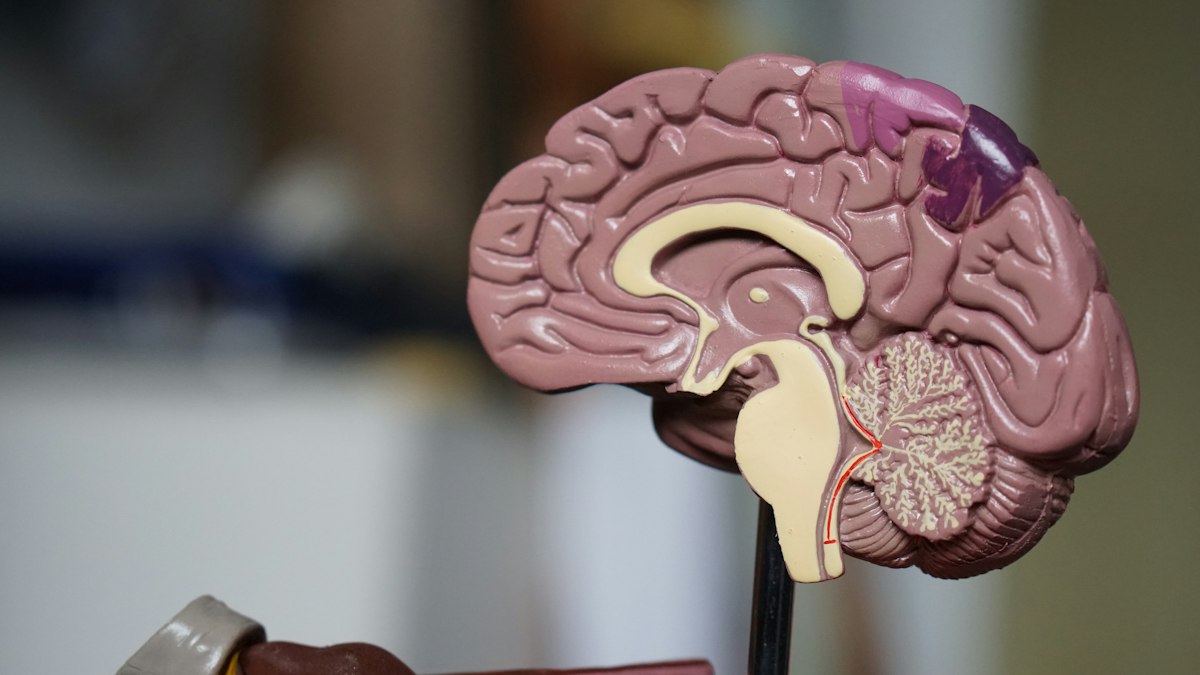
The nervous system is your body's communication network — an extraordinarily complex system comprising roughly 86 billion nerve cells in the brain, plus billions more in the spinal cord and peripheral nerves. It controls everything: from every heartbeat and breath to your thoughts, emotions, and movements.
But the part of the nervous system that matters most for your daily health is the part you cannot consciously control — the autonomic nervous system. It regulates heart rhythm, blood pressure, digestion, immune function, hormones, and hundreds of other processes without you having to think about it. And this is where modern research has made its most fascinating discoveries.
💡 Did you know? The vagus nerve — the longest cranial nerve — runs from the brainstem down to the gut, connecting the brain, heart, lungs, and digestive organs. Its name comes from the Latin word "vagus," meaning "wanderer."
The autonomic nervous system — gas and brake
The autonomic nervous system has traditionally been described as two branches: the sympathetic (the gas) and the parasympathetic (the brake). The sympathetic branch activates during danger, stress, or exertion — it is the "fight-or-flight" system that raises your heart rate, dilates your pupils, and diverts blood to your muscles. The parasympathetic branch does the opposite: it slows the heart, stimulates digestion, and enables rest and repair.
In an ideal body, these two systems shift smoothly depending on the situation. The problem arises when this balance is disrupted — and in today's world of constant information overload, performance pressure, and social comparison, it is increasingly common for the sympathetic branch to dominate. The body gets stuck in a chronic stress state it was never designed for.

Polyvagal theory — three states, not two
In 1994, neurophysiologist Stephen Porges introduced his polyvagal theory, which revolutionized our understanding of the nervous system. He demonstrated that the vagus nerve actually has two branches with entirely different functions, giving the nervous system three — not two — fundamental states:
1. Ventral vagal — Safety and social connection
The newest system in evolutionary terms. When the ventral vagal branch is active, we feel safe, open, and social. The heart beats calmly but with high variability (high HRV), the face is expressive, the voice is melodic. This is the state in which we heal, digest food, build relationships, and think creatively. It is our optimal state.
2. Sympathetic — Fight or flight
When the nervous system detects threat, the sympathetic branch activates. The heart beats faster, muscles tense, digestion shuts down, and the immune system is suppressed. It is a necessary survival system — but it was designed for short-lived dangers like predators, not for the chronic stress that defines modern life.
3. Dorsal vagal — Freeze and shutdown
The oldest and most primitive system. When a threat is overwhelming and neither fight nor flight is possible, the dorsal vagal branch shuts the body down — heart rate drops, blood pressure falls, energy disappears. It is the body's last resort: playing dead. In modern life, this can manifest as dissociation, emotional numbness, chronic fatigue, or depression.
🔑 Porges' most important insight: the nervous system does not respond to what is actually dangerous, but to what it perceives as dangerous — a process he calls "neuroception." Your nervous system is constantly scanning the environment for cues of safety or threat, without your conscious awareness.
When the nervous system gets stuck
A healthy nervous system is flexible — it can quickly activate when needed and then recover. But under chronic stress, trauma, or prolonged strain, the nervous system can get "stuck" in one state. This is called dysregulation, and it affects the entire body.
Common signs of a dysregulated nervous system:
- Stuck in sympathetic — Constant tension, difficulty sleeping, heart palpitations, irritability, inability to relax. Digestive problems and tension headaches.
- Stuck in dorsal vagal — Chronic fatigue, emotional numbness, low motivation, a sense of being "shut down." Difficulty feeling joy or engagement.
- Oscillation — Rapid swings between hyperactivation and shutdown. Anxiety that suddenly gives way to exhaustion.
- Central sensitization — The nervous system becomes hypersensitive and interprets normal signals (pressure, movement, sound) as pain or threat. Common in chronic pain conditions and fibromyalgia.
Researchers estimate that up to 80% of all primary care visits have a stress-related component — and at its core, the issue is a nervous system that cannot regulate itself back to balance.
How to regulate your nervous system
The good news: the nervous system is plastic — it can be reshaped. Just as you can train a muscle, you can train your nervous system to become more flexible and resilient. The key is to consciously stimulate the parasympathetic branch and the ventral vagal system.
- Breathwork — Slow exhalation (longer than inhalation) directly activates the vagus nerve. Techniques such as 4-7-8 breathing, coherence breathing (6 breaths per minute), and the physiological sigh have strong evidence behind them.
- Physical movement — Varied movement, walks in nature, yoga, and tai chi improve vagal tone. Even strength training helps the nervous system manage stress more effectively.
- Social safety — Secure relationships and eye contact activate the ventral vagal system. Talking with a friend, cuddling a pet, or singing in a choir all stimulate the vagus nerve.
- Cold exposure — Brief cold showers (30 seconds) activate the vagus nerve and train the nervous system to tolerate discomfort without triggering panic.
- Sleep and routines — Regular meal and sleep times give the nervous system predictability — one of the strongest safety signals. A predictable life means a calm nervous system.
- Humming and singing — The vagus nerve innervates the larynx. Humming, singing, or gargling activates it directly — one of the simplest and most underrated tools available.

Cipoli analysis
Group comparison and patternsCipoli group comparison coming soon
In this section, we will compare Cipoli users with low stress and good sleep to those with high stress — and explore how it correlates with energy levels, pain, social health, and overall well-being.
The analysis will include:
Why isn't the analysis available yet? To create meaningful group comparisons, we need enough anonymized responses from our users. The more people who map their health, the better and more reliable the analyses become.
Help us get there faster
Invite a friend to Cipoli — the more of us there are, the smarter and more detailed our analyses become. Together, we are building the most compelling health dataset.
🌱Spread the word