What are mitochondria?
Deep inside nearly every cell in your body are tiny organelles called mitochondria. They are no bigger than a bacterium, yet without them, life as we know it would cease within seconds. Mitochondria produce ATP — adenosine triphosphate — the universal energy currency that powers everything from heartbeats and thought to muscle contractions and cell division.
The average person has an estimated 10 quadrillion mitochondria, and together they produce roughly your body weight in ATP every single day. Organs with high energy demands — such as the heart, brain, and liver — can contain thousands of mitochondria per cell, while a red blood cell has none at all.
💡 Did you know? Mitochondria have their own DNA (mtDNA), inherited exclusively from your mother. That is because mitochondria were once free-living bacteria that entered into a symbiotic relationship with our ancestors' cells roughly 2 billion years ago.
The powerhouse of the cell — and so much more
The phrase "the powerhouse of the cell" was coined back in the 1950s, and it holds true — mitochondria account for roughly 95% of the energy your body produces. But modern research has revealed that they do far more than simply generate energy.
Mitochondria act as the cell's decision-makers. They regulate calcium balance, govern programmed cell death (apoptosis), generate heat, synthesize hormones, and communicate with the nucleus about the cell's health status. In many ways, they are the cell's brain — when energy drops, mitochondria send stress signals that ripple throughout the entire body.
The four roles of mitochondria
1. Energy production — the ATP factory
The primary job of mitochondria is oxidative phosphorylation — an elegant process in which nutrients from the food you eat combine with oxygen to produce ATP. This takes place in the mitochondria's inner membrane, which is folded into complex cristae to maximize surface area. It is a biological masterpiece: from a single glucose molecule, mitochondria extract up to 36 ATP molecules, compared to just 2 without them.
2. Quality control — mitophagy and biogenesis
Mitochondria have a sophisticated quality control system. Damaged mitochondria are tagged and broken down through a process called mitophagy — the cell's version of recycling. At the same time, the formation of healthy new mitochondria (biogenesis) is stimulated by the signaling molecule PGC-1α, which is activated by exercise, cold exposure, and fasting, among other triggers. The balance between breakdown and renewal determines the cell's energy capacity.
3. Stress management — the redox balance
As a byproduct of energy production, mitochondria generate reactive oxygen species (ROS) — commonly known as free radicals. In moderate amounts, ROS act as signaling molecules that strengthen cellular defenses. But when overproduced — due to stress, poor diet, or environmental toxins — oxidative stress damages the mitochondria's own DNA and membranes. It becomes a vicious cycle: damaged mitochondria produce even more free radicals.
4. Cell communication — the signaling hub
Mitochondria are in constant communication with the cell nucleus and with each other. They form dynamic networks that fuse together (fusion) and split apart (fission) depending on the cell's energy demands. Under heavy load, they fuse to increase efficiency, while during repair they divide to isolate damaged components. This dynamism is central to the cell's ability to adapt.
🔬 Researchers have demonstrated that mitochondria can be transferred between cells — a process called "mitochondrial transfer." Healthy cells can literally donate mitochondria to damaged neighbors, opening up fascinating possibilities for future therapies.
When mitochondria falter
Mitochondrial dysfunction — when mitochondria stop functioning optimally — has in recent years been linked to a remarkably wide range of health problems. It makes sense: when the cell's energy supply fails, the organs that need the most energy are hit first.
Conditions linked to mitochondrial dysfunction:
- Chronic fatigue — When mitochondria cannot meet energy demands, the result is persistent exhaustion that no amount of sleep can fix.
- Metabolic disease — Type 2 diabetes, obesity, and insulin resistance all have strong ties to mitochondrial dysfunction in muscle and liver cells.
- Neurodegeneration — Alzheimer's, Parkinson's, and ALS all involve mitochondrial damage in the brain's nerve cells.
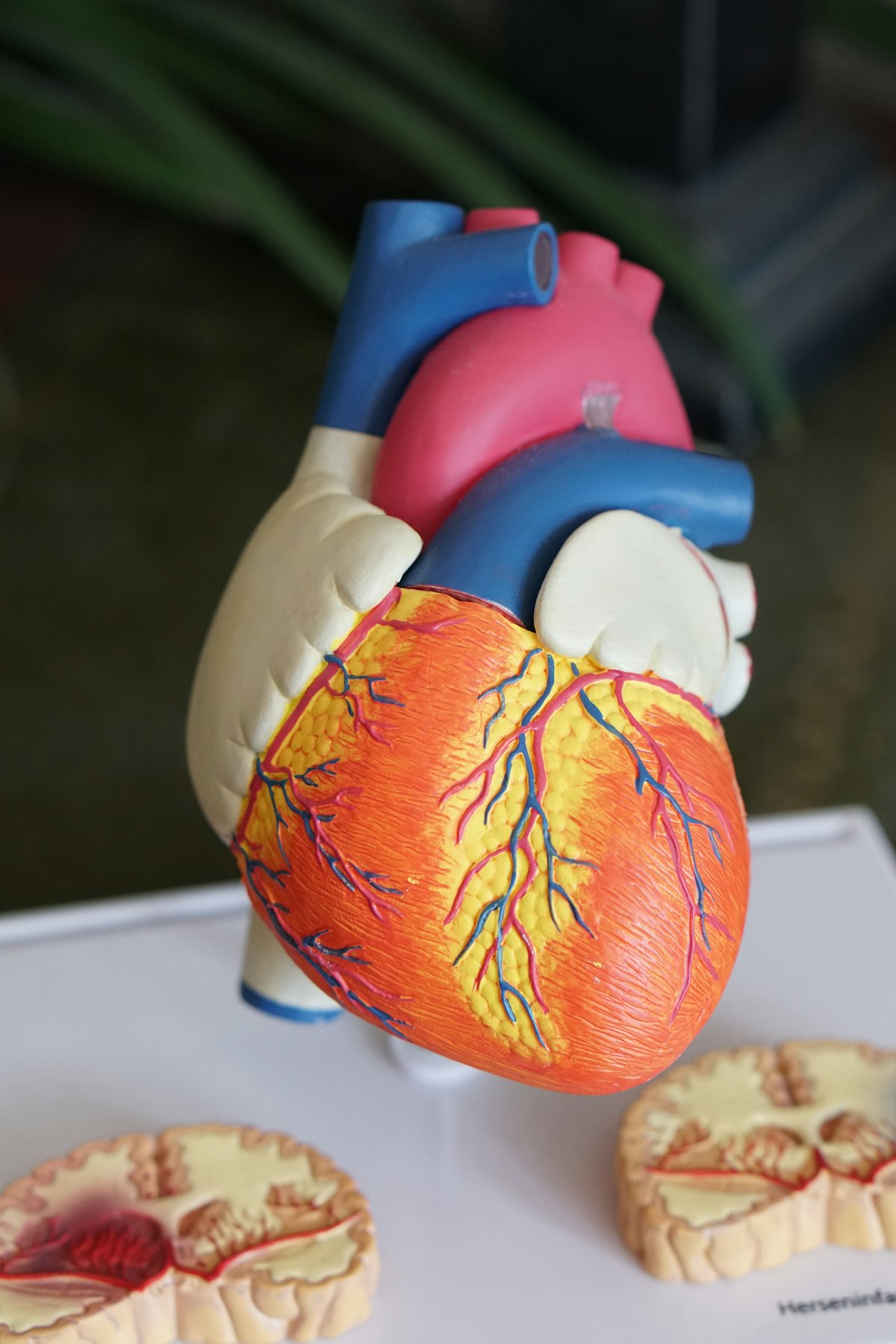
- Cardiovascular disease — The heart is the body's most mitochondria-rich organ. Dysfunctional mitochondria impair the heart muscle's pumping capacity.
- Aging — The mitochondrial theory of aging proposes that accumulated mitochondrial damage is a root cause of biological aging.
Researcher Dr. Robert Naviaux at UC San Diego has put it this way: "Mitochondria are not just the cell's powerhouses — they are the cell's watchdogs. They detect danger and coordinate the cell's defense response." When that watchdog breaks down, the entire body becomes vulnerable.
How to strengthen your mitochondria
The great news: mitochondria are extremely adaptable. You can increase both the number and the efficiency of your mitochondria through lifestyle changes — and the results show up faster than you might expect.
- Endurance training — Zone 2 training (moderate intensity, 60–70% of max heart rate) is the most effective stimulus for mitochondrial biogenesis. Just 4 weeks of regular training can increase mitochondrial density by 40–100%.
- HIIT — High-intensity interval training improves mitochondrial efficiency and powerfully activates PGC-1α. Combine it with Zone 2 for the best results.
- Antioxidant-rich diet — Colorful vegetables, berries, nuts, and dark chocolate protect mitochondrial membranes. CoQ10, alpha-lipoic acid, and NAD+ are key molecules.
- Time-restricted eating — Periods without food activate mitophagy — the body's process for clearing out damaged mitochondria. Eating within a 10–12-hour window may be enough.
- Cold and heat exposure — Cold plunges and sauna both activate mitochondrial biogenesis through different signaling pathways. Cold stimulates UCP1 in brown fat, while heat activates heat shock proteins.
- Sleep — The most intensive mitophagy occurs during deep sleep. Aim for 7–8 hours of quality sleep for optimal mitochondrial repair.

Cipoli analysis
Group comparison and patternsCipoli group comparison coming soon
In this section, we will compare Cipoli users with high physical activity and strong dietary habits to those who are less active — looking at differences in energy levels, sleep quality, and metabolic health as indicators of mitochondrial function.
The analysis will include:
Why isn't the analysis available yet? To create meaningful group comparisons, we need enough anonymized responses from our users. The more people who map their health, the better and more reliable the analyses become.
Help us get there faster
Invite a friend to Cipoli — the more of us there are, the smarter and more detailed our analyses become. Together, we are building the most compelling health dataset.
🌱Spread the word