What is the MIND diet?
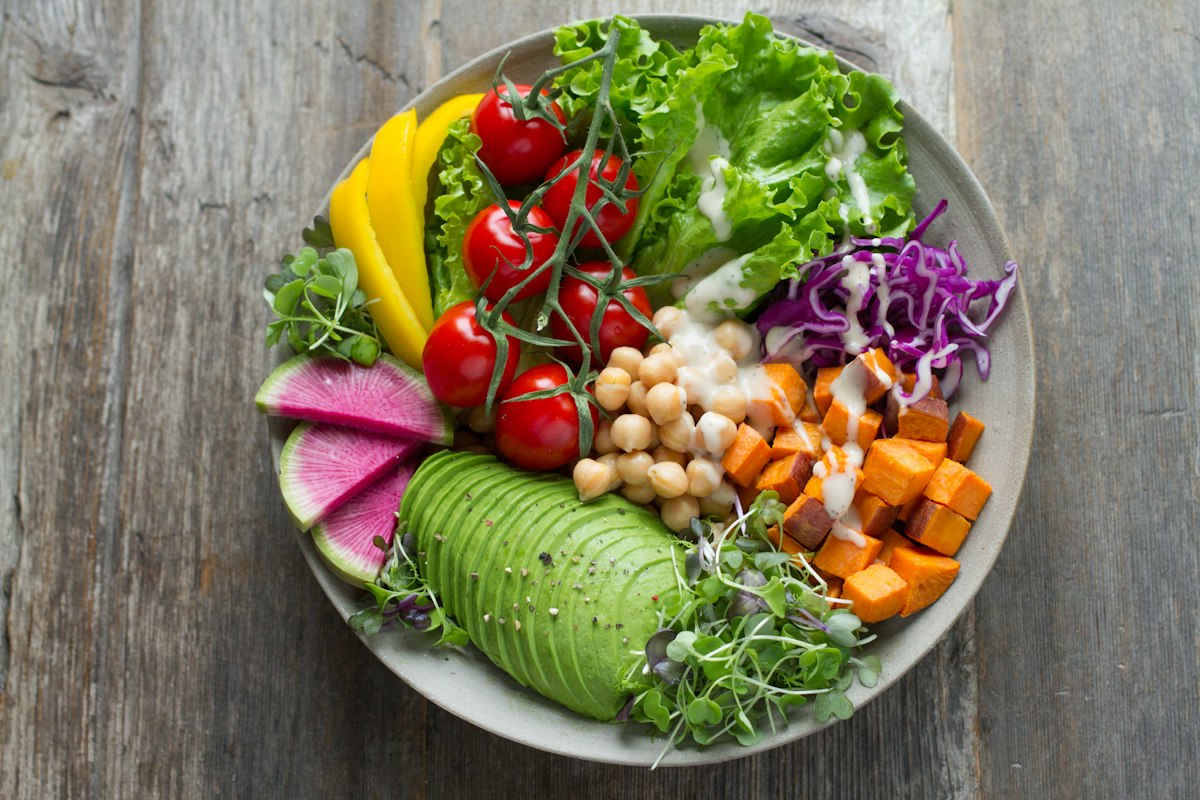
The MIND diet blends two well-established eating patterns — the Mediterranean and DASH diets — assembled by researchers to be easy to follow day to day. Instead of banning entire food groups, it works on the principle of "more of this, less of that": more leafy greens, berries, whole grains, legumes, nuts and olive oil — and less red meat, butter, fried food and ultra-processed fast food. The point is not perfection but direction. Research consistently links eating patterns rich in whole, plant-based foods and low in ultra-processed food to better health over time — and the nice thing about a pattern is that single meals do not decide it. This habit is about gradually shifting the center of gravity on your plate.
What the research says
In a widely noted observational study (Morris et al. 2015, Rush University, ~960 older adults), high adherence to the MIND diet was associated with slower cognitive aging over time. The study shows an association, not causation — but it put the pattern on the map and has been followed by further studies pointing the same way.
Both the Mediterranean and DASH diets, which MIND builds on, are among the most studied eating patterns there are. It is the breadth — many vegetables, whole grains, legumes and healthy fats together — that research links to benefit, rather than any single superfood.
Large cohort studies link a high intake of ultra-processed food — fast food, ready meals, sugary drinks — to poorer health outcomes. Swapping some of it for home cooking and whole ingredients is one of the most robust directions in nutrition research, even if exact figures vary between studies.
Build the habit in 3 steps
You do not need to overhaul your whole diet at once. This plan shifts the balance gradually — one swap at a time, starting at a meal you already eat.
Start by adding, not removing. Add leafy greens or a handful of berries to one meal a day, and keep nuts as a snack. Filling up on whole foods often leaves naturally less room for ultra-processed food — without it feeling like a sacrifice.
Pick a recurring moment when it often ends up being fast food or a ready meal, and swap it for something simple and home-cooked. A meal-prep box, a soup, a bean stew. One swap a week is sustainable — and sustainable beats perfect.
Once the first swap sticks, add more at your own pace: whole grains instead of white, olive oil instead of butter, legumes a couple of times a week. Aim for direction over time, not one perfect week.
Things to keep in mind — swap for this
Keep whole ingredients out and within reach: a can of lentils, frozen greens, oats, nuts. What is visible and takes the least effort usually gets eaten. Fast food often wins simply because it is the easiest in the moment.
MIND is a pattern, not a rulebook. A pizza or a burger breaks nothing — it is what you do on most days that research links to benefit. Thinking in 'usually' rather than 'always or never' is what makes the habit sustainable.
You do not need to change the dishes, just reinforce them. Lentils in the meat sauce, extra greens in the stew, berries with breakfast. The pattern shifts as much through small additions as through big overhauls.

Cipoli-analys
What does the data show about fast food and diet?Here we will show a group comparison between Cipoli users who eat fast food often versus rarely — and how it relates to the Diet Index and energy over time. As always this is about correlation, not causation: people who cook more at home often differ in other ways too, and we factor that in.
- ›Difference in Diet Index between the groups
- ›Relationship between fast-food frequency and energy
- ›Correlation with digestion, weight stability and mood
We need more responses to create meaningful analyses. The more people who map their health, the better and more reliable the analyses become.

Your personal connection
Current index → potential with the habitSummary
- The MIND diet is a simple pattern: more greens, whole grains, legumes and nuts — less red meat, fried food and ultra-processed fast food.
- Morris et al. (2015) linked high adherence to slower cognitive aging — an association, not causation.
- It is the breadth of the pattern that research links to benefit, not single superfoods.
- Build the habit by swapping: add the greens, swap one fast-food meal a week, and let the direction grow over time.