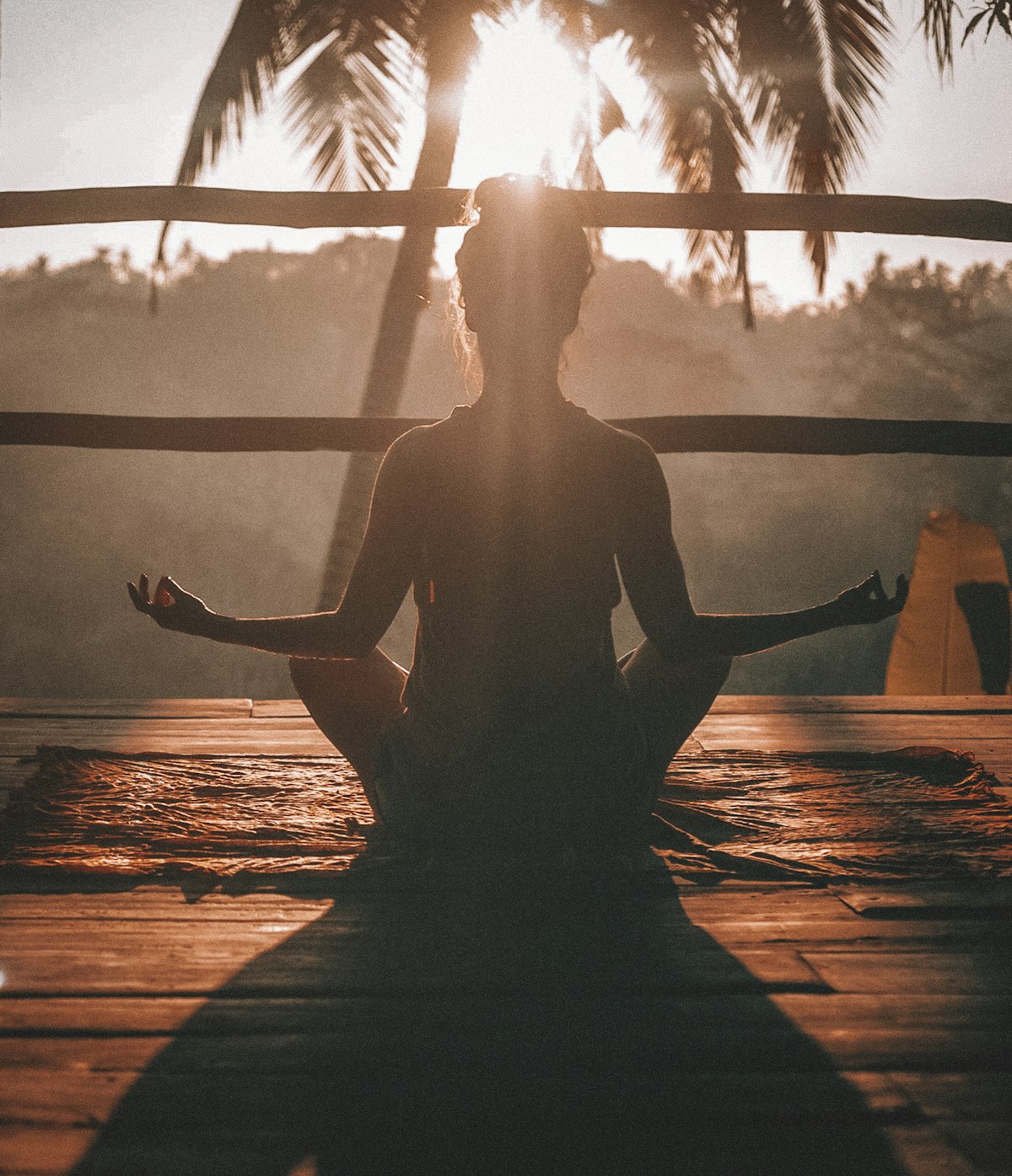
Why meditation?
The brain wasn't designed for constant stimulation. Yet we live in a world of endless scrolling, push notifications, and information overload. The result: the brain gets stuck in fight-or-flight mode, cortisol stays chronically elevated, and mental recovery never happens. Meditation is the direct antidote — a systematic practice of deliberately directing your attention and calmly observing thoughts without acting on them. It trains the exact brain regions that control stress regulation, impulse control, and emotional balance.
What the research says
A study published in JAMA Internal Medicine (2023) compared 8 weeks of daily mindfulness meditation with escitalopram (a common SSRI medication). The result: meditation was equally effective against anxiety symptoms — without side effects. The study included 276 participants with diagnosed anxiety.
A Harvard study published in Psychiatry Research: Neuroimaging found that 8 weeks of daily meditation (27 min/day) increased gray matter density in the hippocampus (memory) and prefrontal cortex (decision-making), and decreased it in the amygdala (fear/stress). The change was measurable by MRI.
A meta-analysis in Brain, Behavior, and Immunity covering 20 studies found that meditation reduces inflammatory markers — including C-reactive protein (CRP) by 15% and pro-inflammatory cytokines. Chronic low-grade inflammation is linked to heart disease, depression, and autoimmune diseases.
Build the habit in 4 weeks
You don't need a mat, a mantra, or a quiet room. You need 10 minutes and a place to sit.
Sit comfortably, close your eyes, and focus on your breath. In through the nose, out through the mouth. When thoughts wander (and they will) — notice it without judgment and come back to the breath. That's the whole point: practicing directing your attention. 3 minutes, same time every day.
Increase to 5 minutes. Try a guided meditation app (Headspace, Calm, Insight Timer — all have free versions). A voice guiding you makes it easier to stay focused. Try the same time each day: morning works best for most people, before the brain fills up with the day's tasks.
Now the habit is set. Increase to 10 minutes and experiment: guided vs. silent, breath focus vs. body scan, morning vs. evening. Notice that you start observing thoughts during the day — not just during meditation. That's the sign it's working: mindfulness is spreading to the rest of your life.
Explore different techniques. Maybe walking meditation works better for you than sitting. Maybe loving-kindness gives you more than breath focus. The point: 10 minutes daily matters more than which technique you choose. Consistency > perfection.
Techniques to try
The most studied form. Focus on your breathing — feel your chest rise, feel the air flow. When thoughts pop up, observe them like clouds drifting by and return to the breath. Best for: stress, anxiety, focus.
Systematic attention through the body — start at your feet, work your way up. Notice tension, warmth, heaviness — without changing anything. Powerfully activates the parasympathetic nervous system. Best for: sleep issues, pain, muscle tension.
Direct warm thoughts and wishes — first to yourself, then to loved ones, then to everyone. Studies show it increases positive emotions, empathy, and reduces self-criticism. Best for: low mood, loneliness, relationships.

Cipoli-analys
What does the data show about meditation and health?Here we will show a group comparison between Cipoli users who meditate regularly and those who don't.
- ›Comparison of stress levels and sleep quality
- ›Correlation between meditation, focus, and mood
- ›Correlations with anxiety, energy, and quality of life
We need more responses to create meaningful analyses. The more people who map their health, the better and more reliable the analyses become.

Your personal connection
Current index → potential with the habitSummary
- 10-15 minutes of daily meditation produces measurable effects within 2-4 weeks — no experience required.
- Research links regular meditation to lower stress, better focus, and stronger emotional resilience.
- Build the habit gradually: start with 3 minutes and increase to 10 over four weeks.
- Try different techniques — breath, body scan, loving-kindness — but consistency beats perfection.