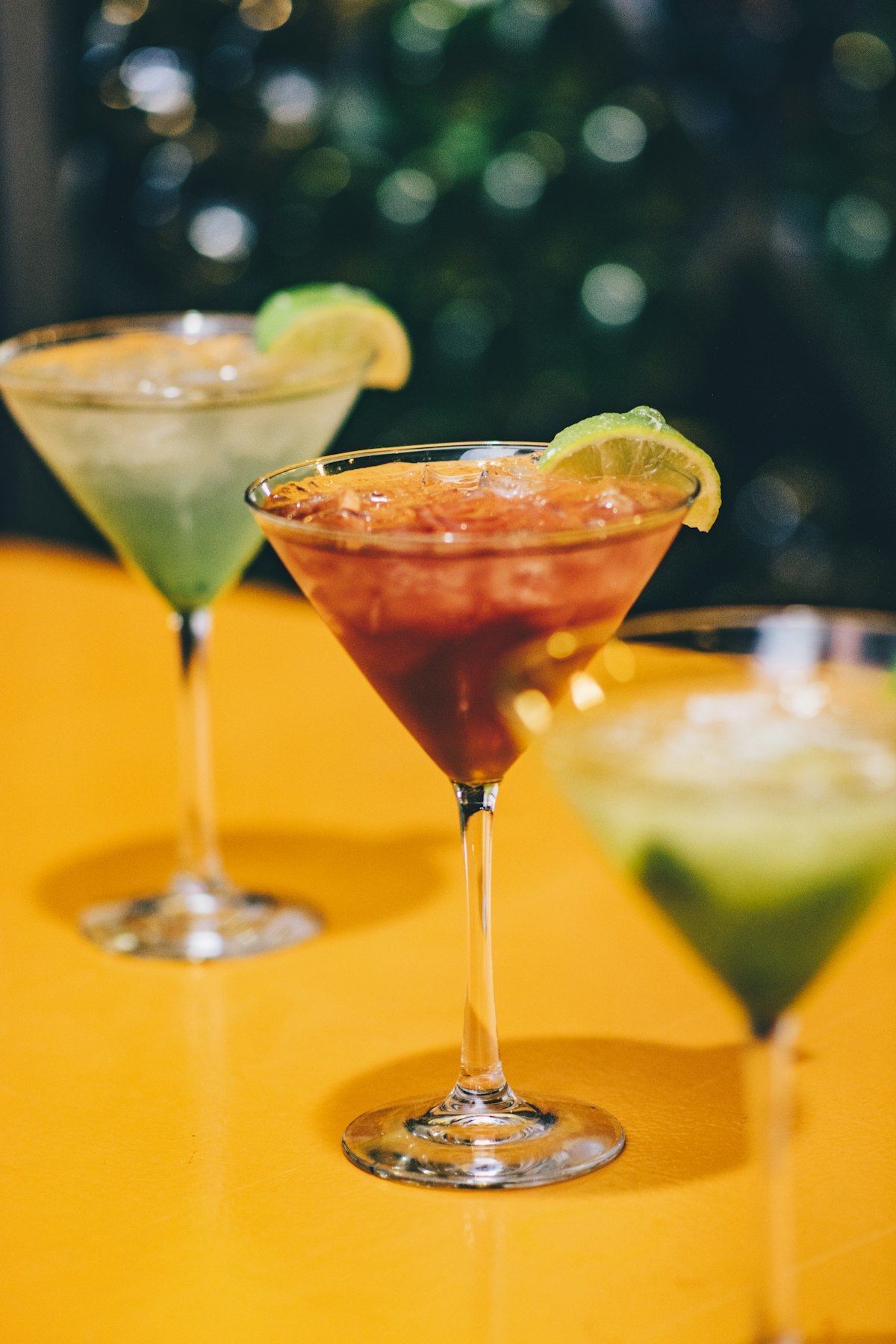
Why alcohol-free days?
Our relationship with alcohol is complicated. Social pressure, after-work beers, and a bottle of wine with Friday dinner -- it can easily add up to 10 to 15 standard drinks per week without feeling excessive. But your body notices. Your liver needs 48 to 72 hours without alcohol to fully recover. Without that break, the damage accumulates. This habit is not about quitting drinking. It is about creating intentional pauses -- alcohol-free days that give your body time to repair and give you the chance to notice the difference. A major global study in The Lancet (2022, 204,000 participants) established that there is no safe level of alcohol consumption, but that risks rise sharply beyond 14 drinks per week -- cutting from 14 to 7 cuts the excess risk in half.
What the research says
Alcohol helps you fall asleep faster but destroys sleep quality. A study in JMIR Mental Health found that just 1 to 2 drinks reduces deep sleep by 24% and REM sleep by 10%. Within 2 to 3 alcohol-free nights, most people notice they wake up feeling more rested.
Alcohol temporarily raises blood pressure, but with regular drinking the effect becomes chronic. Studies show systolic blood pressure drops by 3 to 5 mmHg after just 2 weeks of cutting back -- it sounds small, but it reduces stroke risk by 10 to 15%.
Your liver breaks down alcohol using the enzyme alcohol dehydrogenase but becomes overwhelmed with frequent drinking. Liver enzymes (ALT, AST, GGT) begin to normalize within 2 to 4 weeks without alcohol. With mild fatty liver, the effect can be a complete reversal within 6 to 8 weeks.
Step by step: a 4-week plan
This plan assumes you drink regularly and want to cut back -- not that you need to quit entirely. The goal is to create intentional breaks that give your body time to recover.
Write down every time you drink: when, where, how much, and why. This often reveals patterns -- stress drinking, habitual drinking, social pressure. Awareness is the first step -- most people underestimate their intake by 30 to 50%.
Choose three specific days per week to be alcohol-free -- decide in advance, not in the moment. Monday, Tuesday, Wednesday works for most people. Have a good non-alcoholic alternative ready: sparkling water with lemon, non-alcoholic beer, kombucha, or tea. The point is to break the autopilot.
Expand to 4 to 5 alcohol-free days and notice how you feel: are you sleeping better? More energy in the morning? At least 4 alcohol-free days per week is recommended. Many discover they feel best with only 1 to 2 drinking occasions per week -- it becomes your new baseline, built on your own experience.
Handling social pressure
Sparkling water with lime in a wine glass looks exactly the same. Nobody comments. It removes the question "don't you want something?" -- you already have something.
"I am driving tonight," "I am trying a dry month," or just "not tonight." Keep it short and confident -- most people will not press further. You do not need to explain or justify yourself.
Non-alcoholic beer has improved dramatically in recent years. Alcohol-free spirits, wine, and mocktails are now available at most bars and restaurants. Having a tasty alternative makes it much easier to resist the pressure.

Cipoli-analys
What does the data show about alcohol habits and health?Here we will show a group comparison between Cipoli users with few versus many alcohol-free days per week -- and how it relates to sleep, energy, and mental health over time.
- ›Comparison of sleep quality, energy, and mental health
- ›Relationship between alcohol frequency and Health Index
- ›Correlations with stress, mood, and physical performance
We need more responses to create meaningful analyses. The more people who map their health, the better and more reliable the analyses become.

Your personal connection
Current index → potential with the habitSummary
- Your liver needs 48 to 72 hours without alcohol to fully recover -- intentional alcohol-free days give it that break.
- There is no safe level (The Lancet 2022), but cutting from 14 to 7 drinks per week halves the excess risk.
- The effects show up in sleep, blood pressure, liver enzymes, and mood -- often within 2 to 4 weeks.
- You do not have to quit entirely -- aim for at least 4 alcohol-free days per week and find your sustainable level.