New habit · Diet & Eating Habits
Evidence: strong · Estimated effect: +8 points on Diet Index
Why more vegetables?
Vegetables are the one food that virtually every nutrition expert, researcher, and dietitian agrees on: we should eat more. Whether you follow a Mediterranean diet, low-carb, plant-based, or simply try to eat healthier — more vegetables is always the right direction.
Yet the average American eats only about one to two servings of vegetables per day — well below the recommended amount. And a large share of that is potatoes, which nutritionally count as starch rather than a vegetable.
A meta-analysis published in the International Journal of Epidemiology (2017) covering 95 studies and 2 million participants found that 800 grams of fruits and vegetables per day provides the maximum risk reduction. But clear benefits were already evident at 200 to 300 grams per day.
The benefits are wide-ranging: lower risk of cardiovascular disease (24% reduction), stroke (33%), cancer (14%), and premature death (31%). This comes down to fiber that feeds beneficial gut bacteria, antioxidants that protect cells, potassium that lowers blood pressure, and folate that supports cell division. Put simply, vegetables are the most evidence-based health habit you can have.
How much do you actually need?
The USDA recommends 2 to 3 cups of vegetables per day for most adults. The WHO recommends at least 400 grams as a minimum. Research suggests the optimal amount is even higher — around 800 grams total of fruits and vegetables combined.
But the most important thing is not hitting an exact number — it is eating more than you do today. If you eat one serving of vegetables a day and increase to three, you have made a significant change.
<200g
Needs improvement
High risk — you are missing important fiber, antioxidants, and minerals
300–500g
Good foundation
You are covering the basics and seeing clear health benefits
500–800g
Optimal
Maximum risk reduction for heart disease, stroke, and cancer
Step by Step: Build the Habit in 4 Weeks
This plan builds the habit gradually. Each week you add one step. After four weeks, vegetables are a natural part of every meal — without it feeling like a project.
Week 1: Add a serving of vegetables to dinner
Add a serving of vegetables to your evening meal. It could be a side salad, steamed veggies, or vegetables mixed into the dish. Frozen vegetables work just as well as fresh and take 3 minutes to prepare. Goal: vegetables at every dinner.
Week 2: Vegetables at lunch
Add vegetables to your lunch routine. Pack carrot sticks and cucumber as snacks, pile extra veggies on your sandwich, or swap bread for a salad. If you eat out, always pick the option with the most greens. Goal: vegetables at lunch and dinner.
Week 3: Vegetables in the morning
Sounds strange? It does not have to be. A green smoothie (spinach + banana + plant milk), tomato and cucumber at breakfast, or vegetables in your scrambled eggs. Many cultures eat vegetables for breakfast — it is just a matter of habit. Goal: vegetables in all three main meals.
Week 4: Variety and colors
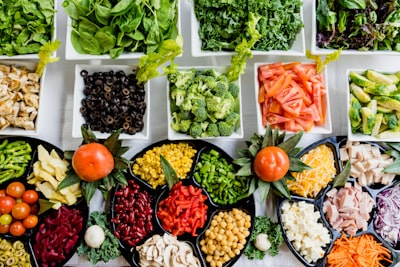
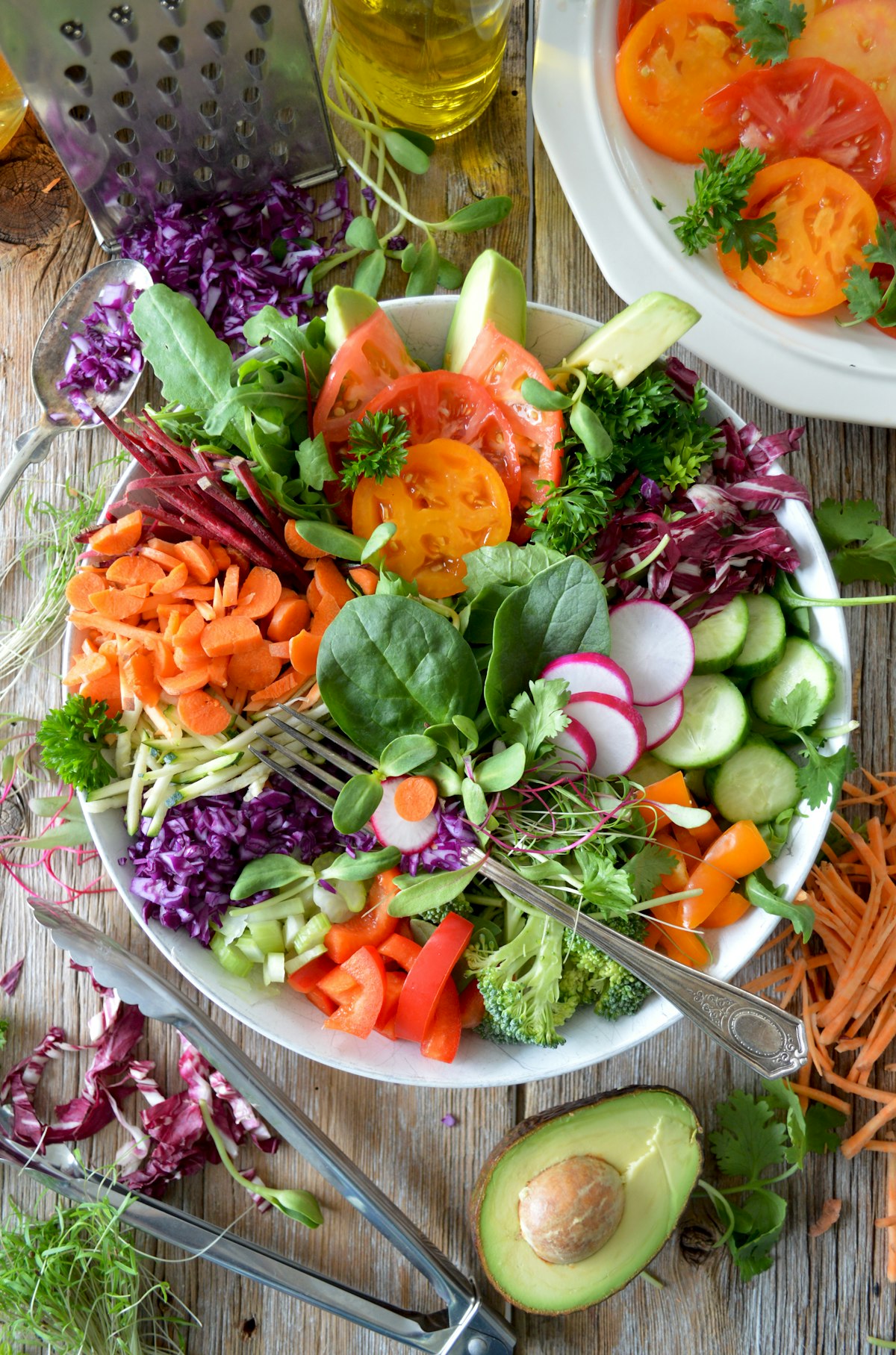
Now that the habit is in place, focus on variety. Green (spinach, broccoli, kale), red/orange (bell peppers, carrots, tomatoes), purple (red cabbage, beets, eggplant), white (cauliflower, onions, garlic). Different colors mean different antioxidants and nutrients. Goal: at least 3 different colors per day.
Practical tips for everyday life
🧊 Always keep frozen vegetables at home
Frozen vegetables are picked and frozen within hours of harvest — they often have better nutritional value than "fresh" vegetables that have been sitting in the store for a week. Broccoli, peas, spinach, and mixed vegetables are perfect to always have in your freezer.
🔪 Prep on Sunday = easy week
Wash and cut vegetables once a week. Carrot sticks, cucumber slices, bell pepper strips, and cherry tomatoes in containers in the fridge. When they are ready to eat, the mental barrier disappears.
🥗 Vegetables first on the plate
Fill half your plate with vegetables before adding protein and carbs. This does not just give you more vegetables — it naturally reduces the portions of everything else.
🍅 Add vegetables to what you already eat
Spinach in your pasta sauce. Diced zucchini in the stew. Shredded carrots in the meat sauce. Extra greens on pizza. You do not need to change your favorite recipes — just add vegetables to them.

Cipoli analysis
What does the data show about vegetable intake and health?Here we will show a group comparison between Cipoli users with high versus low vegetable intake.
- 📊 Health Index comparison between groups
- 🔬 Connections between vegetable intake, energy, and gut health
- 📈 Correlations with sleep, mood, and inflammation markers
Why am I not seeing data yet?
We need more responses to create meaningful analyses. The more people who map their health, the better and more reliable the analyses become.

Your personal connection
What does your vegetable intake look like today?See how your eating habits stack up
Log in and map your health to get your Vegetable Index and personal insights.
Log in