What is LCHF?
LCHF — Low Carb High Fat — means reducing your carbohydrate intake and replacing it with fat as your primary energy source. In its strictest form (under 20 g of carbs per day), the body enters ketosis, a metabolic state where the liver converts fat into ketone bodies for fuel. In a more liberal version (50-100 g per day), you get many of the benefits without necessarily being in ketosis.
The concept has deep Swedish roots. Annika Dahlqvist, a general practitioner in Njurunda, was reported to the National Board of Health and Welfare in 2007 for recommending LCHF to her diabetes patients. The Board cleared her — and a movement was born. Today, the LCHF movement in Sweden has normalized low-carb eating in a way that has no equivalent in other countries.
LCHF is not a single diet but a spectrum. Strict LCHF (under 20 g of carbs) resembles a ketogenic diet. Liberal LCHF (50-100 g) is closer to a modified Mediterranean diet. The effect depends on where you fall on the spectrum — and which fats you choose.
| Level | Carbs/day | Ketosis? | Best suited for |
|---|---|---|---|
| Strict / Ketogenic | <20 g | Yes | Epilepsy, type 2 diabetes, rapid weight loss |
| Moderate LCHF | 20–50 g | Sometimes | Weight management, blood sugar, metabolic health |
| Liberal LCHF | 50–100 g | Rarely | Long-term lifestyle, general health |
The research — what do we know?
The most ambitious intervention study of a ketogenic diet for type 2 diabetes. Results after one year: 60% achieved HbA1c below the diabetes threshold (reversal), average weight loss of 26 pounds, and 94% reduced or discontinued insulin. After two years, the effects largely persisted. Limitation: no control group with an active intervention, and Virta Health is a commercial company.
322 people were randomized to low-fat, Mediterranean, or low-carb diets for two years. The low-carb group lost the most weight (-12 lbs vs. -7 lbs on low-fat) and showed the greatest improvement in HDL/triglycerides. Mediterranean diet performed second best. At six-year follow-up, weight regain was similar across all groups.
135,000 participants across 18 countries. High fat intake (including saturated fat) was not associated with increased cardiovascular risk. High carbohydrate intake, however, was linked to increased mortality. The study was observational and controversial — but it fundamentally challenged the classic low-fat paradigm.
Meta-analysis: Weight loss
Bueno et al. (British Journal of Nutrition, 2013) analyzed 13 RCTs. Conclusion: ketogenic diets produce significantly greater weight loss than low-fat diets over 6-12 months (about 4.4 pounds more on average). The difference was greatest in the first six months and diminished over time. Likely mechanism: appetite suppression via ketone bodies and higher protein intake.
Meta-analysis: HbA1c and diabetes
Sainsbury et al. (Diabetic Medicine, 2018) analyzed 18 RCTs of low-carb diets for type 2 diabetes. Conclusion: significantly better HbA1c reduction than control diets at 3-6 months (-0.47%). The effect diminished somewhat at 12 months (-0.23%) but remained significant.
How it works — four mechanisms
1. Lower insulin = increased fat burning
Insulin is the body's primary fat-storage hormone. Carbohydrates stimulate insulin the most. Fewer carbs = lower insulin levels = the body switches fuel from glucose to fat. This is the fundamental metabolic shift in LCHF.
2. Ketone bodies as alternative fuel
On strict LCHF, the liver produces ketone bodies (beta-hydroxybutyrate, acetoacetate) from fatty acids. Ketones are an efficient fuel for the brain and muscles. Additionally, BHB has signaling functions: it inhibits the NLRP3 inflammasome and activates BDNF (brain-derived neurotrophic factor).
3. Natural appetite regulation
Ketones suppress ghrelin (the hunger hormone) and increase GLP-1 (the satiety hormone). Combined with higher protein and fat intake — which are more satiating per calorie — LCHF leads to spontaneously lower caloric intake without actively counting calories. Gibson et al. (Obesity Reviews, 2015) confirmed this.
4. Steadier blood sugar curve
Without fast-acting carbs, the blood sugar dips that cause energy crashes, sugar cravings, and overeating disappear. Many LCHF practitioners report more even energy throughout the day — and the research supports this: CGM studies (continuous glucose monitoring) show dramatically flatter blood sugar curves on LCHF compared to a standard diet.
Risks and limitations
LCHF is not risk-free, and the scientific debate continues. Here are the most important objections — based on research, not opinions.
Honest summary: LCHF has strong short-term evidence (1-2 years) for weight loss and blood sugar control. But we lack convincing long-term studies (>5 years) demonstrating the diet is safe and effective over the truly long haul. That is its most significant limitation.
LDL cholesterol can rise
20-30% of LCHF practitioners experience a significant LDL increase, especially those who are already lean ("lean mass hyper-responders"). If you have familial hypercholesterolemia or established heart disease, you should monitor your lipids closely. Solution: replace some saturated fat with monounsaturated fat (olive oil, avocado).
Fiber deficiency and gut health
Recommended fiber intake: 25-35 g per day. Typical LCHF: under 15 g. Low fiber intake alters the gut microbiome unfavorably, reduces butyrate production, and may increase colorectal cancer risk over the long term. Solution: prioritize vegetables, avocado, nuts, and psyllium husk — all LCHF-compatible.
"Keto flu" and electrolyte imbalance
During the first 1-2 weeks, many people experience headaches, fatigue, dizziness, and muscle cramps. Cause: lower insulin leads to the kidneys excreting more sodium and water. Solution: increase fluid intake, eat more salt (broth helps), and supplement with magnesium and potassium.
Socially and practically demanding
Strict LCHF excludes bread, pasta, rice, potatoes, fruit (except berries), and most restaurant meals. It requires planning, cooking, and social navigation. Compliance is a major challenge — studies show that 30-50% drop out within 12 months, mainly for practical reasons.
Not suitable for everyone
Contraindicated for: pancreatitis, liver disease, fat metabolism disorders, gallstone issues, and pregnancy/breastfeeding (without medical supervision). For type 1 diabetes: risk of ketoacidosis — requires close collaboration with a physician. Always consult your healthcare provider before starting strict LCHF if you have chronic conditions.
Getting started with LCHF — step by step
Week 1: Eliminate sugar and white flour
Start with what makes the biggest impact: cut out sugary drinks, candy, cookies, white bread, and breakfast cereal. Replace with eggs, cheese, nuts, and vegetables. You don't need to count grams yet — just remove the obvious.
Week 2: Build your LCHF staples
Learn 5-7 core recipes: omelet, pan-fried salmon with broccoli, ground beef casserole, chicken stew with cream sauce, avocado salad with eggs. Shop for: eggs, butter, olive oil, salmon, chicken, cheese, avocado, broccoli, spinach, and nuts.
Weeks 3-4: Managing the keto flu
Drink at least 2.5 liters of water per day. Have broth daily (sodium). Supplement with magnesium (400 mg) and potassium (via avocado, spinach). Fatigue and headaches usually resolve within 5-7 days.
Month 2: Get bloodwork done
Check: HbA1c, fasting insulin, triglycerides, HDL, LDL (preferably particle pattern), CRP. Compare with any previous values. Repeat after 6 months. If LDL rises sharply, discuss fat quality with your doctor.
A day on LCHF
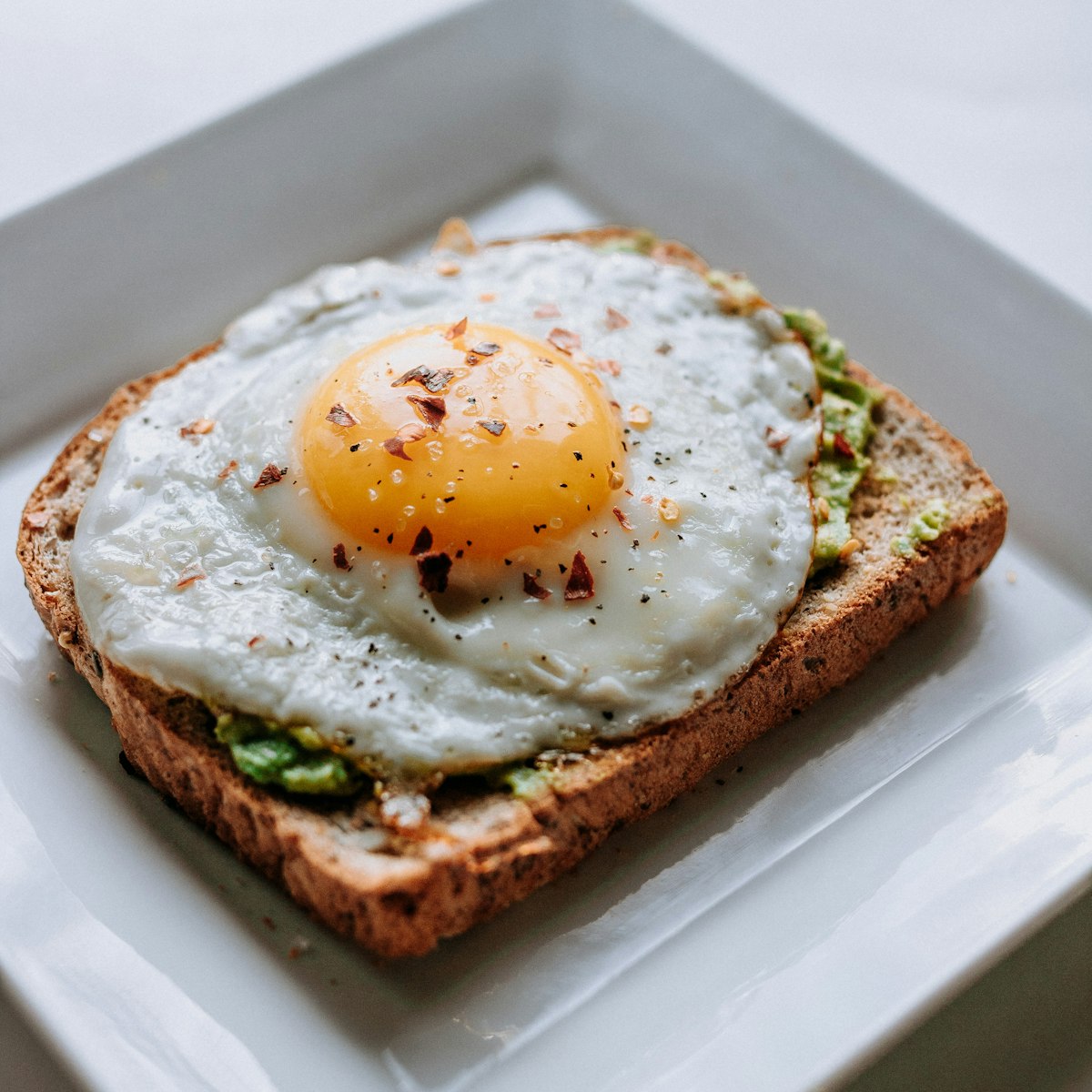
Breakfast: Omelet with cheese, spinach, and avocado. Coffee with a splash of cream.
Lunch: Salmon salad with olive oil, arugula, walnuts, and feta cheese.
Snack: A handful of macadamia nuts or celery with cream cheese.
Dinner: Chicken thighs with roasted broccoli, butter, and bearnaise sauce.
Carbs: ~25 g (mostly from vegetables and nuts).

Cipoli analysis
What does the data show about LCHF and health?Here we will show a group comparison between Cipoli users who follow LCHF versus other dietary patterns.
- 📊 Health Index comparison between groups
- 🔬 Differences in blood sugar control, weight, and energy
- 📈 Correlations with cardiovascular and gut health
Why don't I see any data yet?
We need more responses to produce meaningful analyses.