What is the MIND diet?
MIND stands for Mediterranean-DASH Intervention for Neurodegenerative Delay. It was developed in 2015 by nutritional epidemiologist Martha Clare Morris and her team at Rush University Medical Center in Chicago. The goal was ambitious: to create a diet specifically designed to protect the brain against aging and dementia.
Morris started with two well-established diets — the Mediterranean diet and the DASH diet (Dietary Approaches to Stop Hypertension) — and analyzed which specific components had the strongest association with cognitive health. The result was a hybrid with 15 food groups: 10 to eat more of and 5 to limit.
What makes the MIND diet unique is that even moderate adherence provides significant protection. You don't need to follow it perfectly — the Morris study showed that people who followed the diet "pretty well" still had a 35% lower risk of Alzheimer's. That makes MIND one of the most accessible evidence-based diets.
The MIND diet differs from its parent diets in several ways: it places greater emphasis on leafy greens and berries (rather than treating all fruits and vegetables equally), it focuses on nuts as a daily staple, and it is more specific about what to limit (butter, cheese, red meat, pastries, and fast food).
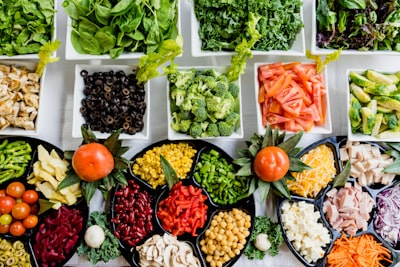
The 15 food groups
10 to eat more of
Spinach, kale, arugula, lettuce. The single strongest protective factor in the MIND study.
All vegetables beyond leafy greens: broccoli, carrots, bell peppers, onions.
Especially blueberries and strawberries. The only fruit category specifically highlighted.
Walnuts, almonds, hazelnuts. Walnuts have the most omega-3.
Extra virgin as the main oil for cooking and dressings.
Oats, rye, bulgur, brown rice, whole-wheat pasta.
Fatty fish like salmon, mackerel, herring. Even once a week is enough.
Lentils, chickpeas, beans, peas.
Chicken, turkey. Replaces red meat.
Optional. Moderate consumption — don't start drinking for your health.
5 to limit
Beef, pork, lamb. Replace with fish, poultry, or legumes.
Switch to olive oil or canola oil for cooking.
Mainly applies to full-fat cheeses. Feta and cottage cheese in small amounts are fine.
Cookies, candy, ice cream, chocolate. Swap for nuts and berries.
Burgers, pizza, chips, French fries. Trans fats damage the brain.
What does the research say?
The foundational MIND study. 960 participants (mean age 81.4) were followed for 4.7 years. High adherence to the MIND diet was associated with a 53% lower risk of Alzheimer's disease. Moderate adherence yielded a 35% risk reduction. The effect was stronger than for the Mediterranean diet (54% at high adherence, but only 17% at moderate) and the DASH diet (39% at high, not significant at moderate). MIND's strength is that it works even if you don't follow it perfectly.
In a parallel analysis of the same cohort, Morris et al. found that participants with the highest MIND adherence had a rate of cognitive decline equivalent to a person 7.5 years younger. The effect was measured using 19 cognitive tests covering episodic memory, semantic memory, working memory, visuospatial ability, and perceptual speed.
The first randomized controlled trial of the MIND diet (604 participants, 3 years). Result: no significant difference in cognitive decline between the MIND group and the control group. Important context: the control group was already eating relatively healthily, and dropout during the COVID-19 pandemic was substantial. Researchers emphasize that observational studies still carry considerable weight — the RCT tested a marginal improvement over an already decent diet, not a shift from poor to good.
Where the research stands in 2026
The MIND diet has strong observational evidence from multiple cohort studies. The only large RCT (2023) was inconclusive, but contextual issues make it difficult to draw firm conclusions. Ongoing studies (Australian Imaging, Biomarker & Lifestyle Study) are examining MIND in younger populations. Consensus among nutrition researchers: MIND's food-group framework is supported by strong mechanistic and observational research, but more RCTs are needed.
How does the MIND diet protect the brain?
The MIND diet works through several synergistic biological mechanisms. It's not a single ingredient that makes the difference — it's the combination.
Reduced neuroinflammation
Chronic low-grade inflammation in the brain drives neurodegeneration. Omega-3 fatty acids (fish), polyphenols (berries, olive oil), and antioxidants (leafy greens) suppress microglial activation and lower TNF-alpha and IL-6 in the central nervous system. Processed food, trans fats, and sugar have the opposite effect.
Protection against oxidative stress
The brain consumes 20% of the body's oxygen but accounts for only 2% of its weight — making it extremely vulnerable to oxidative damage. Anthocyanins in blueberries, lutein and folate in leafy greens, and vitamin E in nuts and olive oil neutralize free radicals and protect the myelin sheath around nerve fibers.
Vascular protection
The brain requires constant blood flow. The DASH component of the MIND diet lowers blood pressure, improves endothelial function, and reduces atherosclerosis in cerebral blood vessels. Vascular dementia — the second most common form — is directly prevented through better cardiovascular health.
Beta-amyloid clearance
During deep sleep, the brain's glymphatic system clears beta-amyloid — the protein that forms plaques in Alzheimer's disease. MIND diet components (magnesium, tryptophan, omega-3) support sleep quality. Additionally, curcumin (turmeric), resveratrol (wine), and DHA (fish) can directly inhibit beta-amyloid aggregation.
Getting started — step by step
The MIND diet is designed to be practical. You don't need to follow it perfectly — even "pretty good" adherence yields a 35% lower risk of Alzheimer's. Here's a realistic ramp-up plan.
Week 1: Leafy greens every day
The single most impactful change. A big handful of baby spinach in your smoothie, a salad with lunch, or sauteed kale as a side. It takes under two minutes, and it's the strongest single protective factor in the MIND research.
Week 2: Berries and nuts as snacks
Swap chips and cookies for a handful of walnuts and a bowl of blueberries. Frozen blueberries in your oatmeal every morning. A bag of mixed nuts in your bag. This replaces two "limit" groups (fast food + sweets) with two "eat more" groups (nuts + berries).
Week 3: Fish once a week, olive oil as your base
Plan one fish meal per week — that's all the MIND research calls for. Switch from butter to olive oil for cooking and dressings. These two swaps improve your omega-3/omega-6 ratio and give the brain the fat it needs.
Week 4+: Whole grains and legumes
Switch white bread for whole grain, add legumes three times a week (hummus, lentil stew, beans in your salad). You've now covered 8 of the 10 "eat more" groups without it feeling like a diet — just better habits.
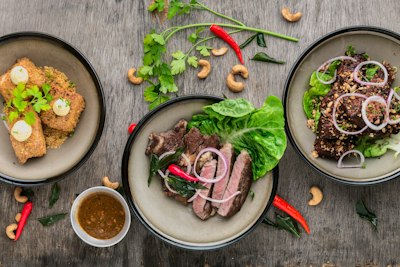
A sample MIND diet day
Breakfast: Oatmeal with blueberries, walnuts, and a drizzle of honey. Green tea.
Lunch: Large salad with baby spinach, kale, chickpeas, avocado, olive oil dressing. Whole-grain bread.
Snack: A handful of almonds and strawberries.
Dinner: Oven-baked salmon with roasted broccoli and quinoa. Olive oil as the base.
Evening snack: Dark chocolate (70%+) with a handful of walnuts.

Cipoli analysis
What does the data show about the MIND diet and cognition?Here we will show a group comparison between Cipoli users who follow the MIND diet and those who don't. The analysis will include:
- 📊 Comparison of HealthIndex and cognitive habits
- 🔬 Differences in sleep quality, stress levels, and energy
- 📈 Correlations with mental health and inflammation
- ⚖️ Nuanced footnote on correlation vs. causation
Why am I not seeing any data yet?
We need more responses to run meaningful analyses. The more people who map their health, the better and more reliable the analyses become.

Your personal connection
How closely do you match the MIND diet pattern?See how closely you match the MIND diet
Log in and map your health to get your MIND Index and personalized insights.
Log in