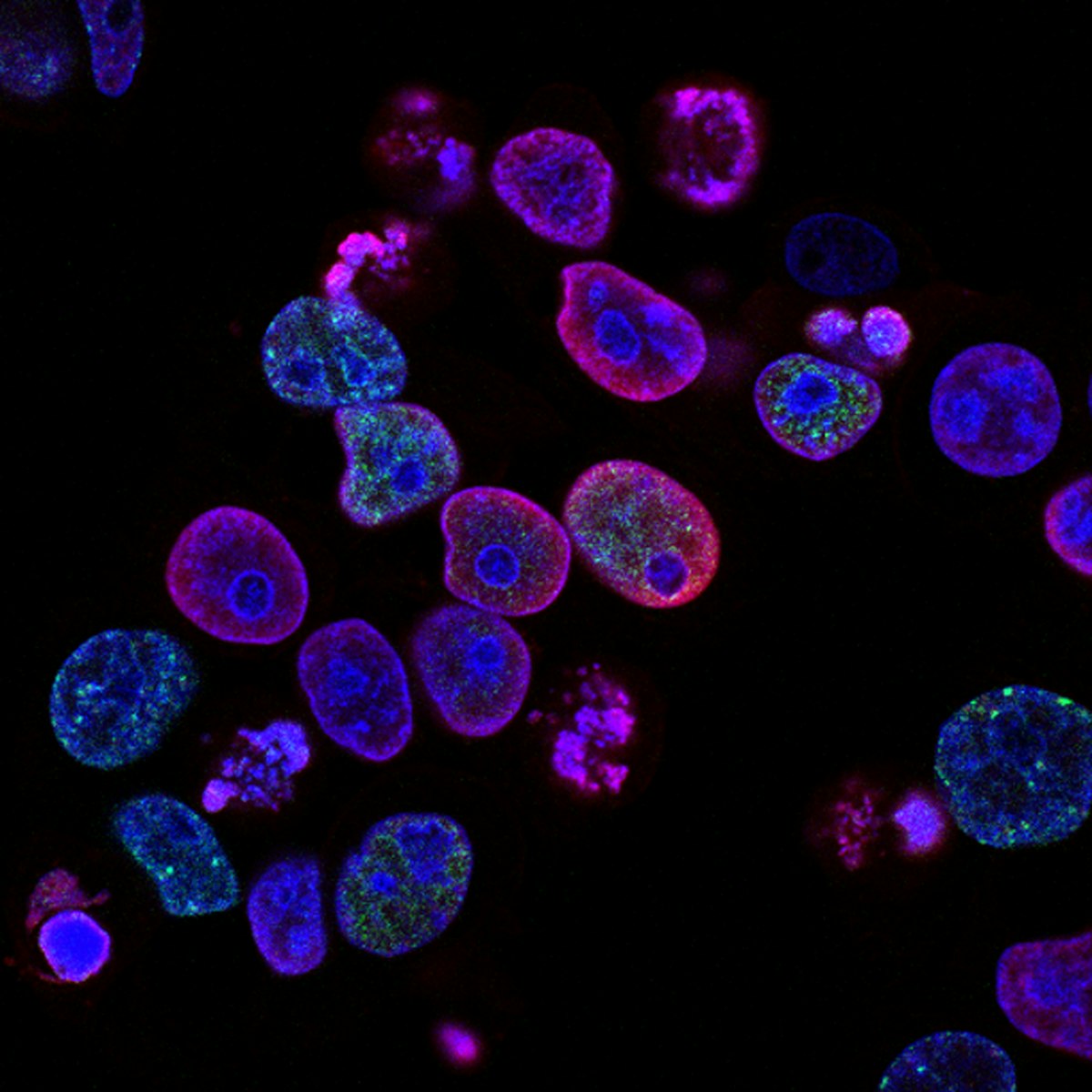
What is the microbiome?
Your gut is home to roughly 38 trillion microorganisms — bacteria, viruses, fungi, and archaea that together weigh between two and four pounds. Collectively, they are known as the microbiome, and they are not passive hitchhikers. They are active participants in your health.
Your microbiome is as unique as your fingerprint. No other person on earth has exactly the same combination of bacterial species and strains. That composition is shaped by what you eat, how you sleep, your stress levels, whether you have pets, where you grew up — and even how you were born.
💡 Did you know? The number of bacterial cells in your body is roughly equal to the number of human cells — we are half bacteria. And their combined DNA contains 150 times more genes than your own.
The microbial revolution
For a long time, medical science viewed bacteria primarily as enemies — something to kill with antibiotics. It was only in the early 2000s, with the launch of the Human Microbiome Project (2007), that researchers began to systematically map which bacteria live in and on us, and what they actually do.
The results were groundbreaking. It turned out that gut bacteria do far more than aid digestion — they produce vitamins, train the immune system, manufacture neurotransmitters that affect the brain, and regulate inflammation throughout the body. Since then, research has exploded: over 70,000 scientific papers on the microbiome have been published in the past decade alone.
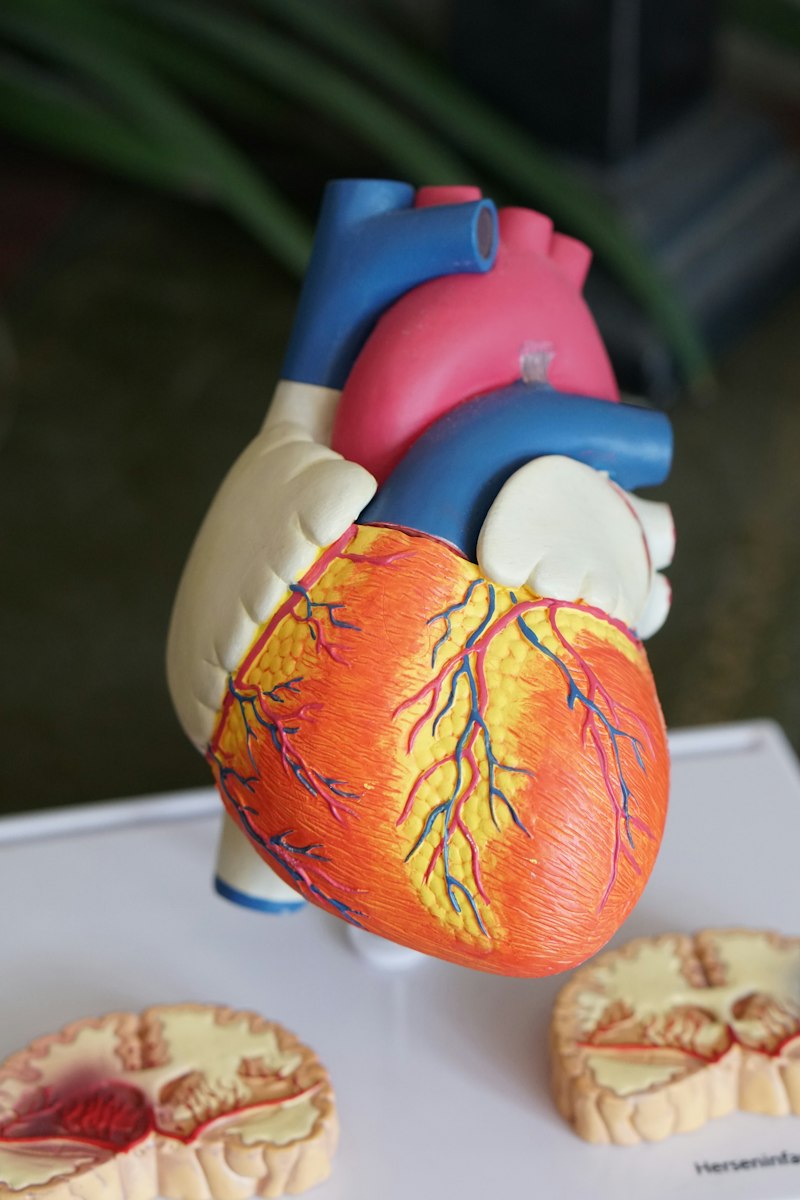
The four roles of the microbiome
1. Digestion and nutrient absorption
Gut bacteria break down complex carbohydrates and fibers that your own enzymes cannot handle. In the process, they produce short-chain fatty acids — primarily butyrate, propionate, and acetate — that are essential for gut health. Butyrate is the primary energy source for the cells lining your intestines and helps keep the gut barrier intact.
These bacteria also synthesize vitamins such as K2, B12, and folate, and help absorb minerals like calcium, magnesium, and iron. A weak or imbalanced microbiome can therefore lead to nutrient deficiencies — even if you eat “right.”
2. The immune system — your inner army
Approximately 70 to 80 percent of your immune cells reside in the gut, in what is known as the GALT system (gut-associated lymphoid tissue). The microbiome trains your immune system from birth — teaching the body to distinguish between dangerous invaders and harmless substances like food and pollen.
When the microbiome is in balance, inflammation stays in check. But when it falls out of balance — a state called dysbiosis — the immune system can become overactive and begin attacking the body’s own tissues. Autoimmune diseases, allergies, and chronic low-grade inflammation are all linked to disruptions in the microbiome.
🔬 A study published in Nature (2019) found that children who grow up on farms and are exposed to more microbes have a 50 percent lower risk of developing asthma and allergies — likely thanks to a more thoroughly trained and tolerant immune system.
3. The gut-brain axis — the gut’s own nervous system
The gut is sometimes called “the second brain” — and for good reason. The enteric nervous system in the gut wall contains over 500 million nerve cells and communicates bidirectionally with the brain via the vagus nerve.
Gut bacteria produce neurotransmitters including serotonin (90% of the body’s total serotonin production occurs in the gut), GABA, dopamine, and norepinephrine. These chemicals influence mood, anxiety, motivation, and sleep. Researchers have shown that mice raised without gut bacteria exhibit anxiety-like behavior — which normalizes when they receive a healthy microbiome transplant.
In humans, studies have linked depression and anxiety to reduced diversity in gut bacteria. The concept of “psychobiotics” — probiotics that affect mental health — is a rapidly growing field of research.
4. Metabolism and weight management
The microbiome influences how efficiently you extract energy from food, how you store fat, and how your blood sugar is regulated. Researchers have found that people with obesity often have a less diverse microbiome compared to those at a healthy weight — and that transplanting gut bacteria from lean mice to obese ones can lead to weight loss.
A landmark study at the Weizmann Institute (2015) showed that the same food produces entirely different blood sugar responses in different people — and that the difference is largely explained by their unique microbiomes. This means there is no universal “best diet” — the optimal diet depends in part on which bacteria you carry.
When the microbiome falls out of balance
A healthy microbiome is characterized by diversity — hundreds of different species keeping each other in check. When that diversity shrinks and certain species dominate, the condition is known as dysbiosis. It is linked to a wide range of health problems.
Common causes of dysbiosis:
- Antibiotics — A single course of antibiotics can wipe out large portions of the microbiome. Some species may take months or years to recover — and some never return.
- Low-fiber diet — Without fiber, beneficial bacteria starve. Processed food, sugar, and refined carbohydrates instead feed potentially harmful species.
- Chronic stress — Stress hormones alter the gut environment and reduce bacterial diversity. Stress also increases intestinal permeability (“leaky gut”).
- Sleep deprivation — After just two nights of poor sleep, the microbiome’s composition changes measurably, according to a study in the European Journal of Clinical Nutrition.
- Lack of contact with nature — We live in increasingly sterile environments. Contact with soil, animals, and natural surroundings exposes us to microbes that strengthen diversity.
Diseases and conditions linked to dysbiosis include IBS, inflammatory bowel disease (IBD), type 2 diabetes, obesity, depression, autoimmune diseases, eczema, allergies, and even neurodegenerative conditions such as Parkinson’s and Alzheimer’s.
How to strengthen your microbiome
The good news: the microbiome is remarkably adaptable. Changes in diet can produce measurable shifts in bacterial composition within just 24 to 48 hours.
- Eat 30 different plants per week — Researchers from the American Gut Project found that people who eat 30 or more different plant-based foods per week have a significantly more diverse microbiome. Count vegetables, fruits, legumes, whole grains, nuts, seeds, herbs, and spices.
- Fermented foods daily — A Stanford study (2021) showed that a diet rich in fermented foods increased bacterial diversity and reduced inflammatory markers more effectively than a high-fiber diet alone. Think sauerkraut, kimchi, yogurt, kefir, miso, and kombucha.
- Fiber variety — Different fibers feed different bacteria. Mix soluble fiber (oats, legumes) with insoluble fiber (vegetables, whole grains) and resistant starch (cooled potatoes, green bananas).
- Cut back on processed food — Emulsifiers, artificial sweeteners, and preservatives can damage the intestinal lining and kill beneficial bacteria.
- Manage stress — Stress management through meditation, yoga, or walks in nature supports the microbiome via the gut-brain axis.
- Get enough sleep — Regular, quality sleep gives the microbiome time to recover and maintain its circadian rhythm.
- Spend time in nature — Gardening, forest walks, and contact with animals expose you to new microbes and increase diversity.

Cipoli analysis
Group comparison and patternsCipoli group comparison coming soon
In this section, we will compare Cipoli users with high fiber variety and fermented food intake to those with a less varied diet — and explore how it correlates with digestive issues, energy levels, mood, and immune function.
The analysis will include:
Why isn’t the analysis available yet? To create meaningful group comparisons, we need enough anonymized responses from our users. The more people who map their health, the better and more reliable the analyses become.
Help us get there faster
Invite a friend to Cipoli — the more of us there are, the smarter and more detailed our analyses become. Together, we are building the most compelling health dataset.
🌱Spread the word