The lost gene — why we can't produce vitamin C
Most mammals produce their own vitamin C in the liver — a goat synthesizes up to 13,000 mg per day, and even more under stress. But roughly 61 million years ago, an ancestor of primates and humans suffered a mutation in the GULO gene (gulonolactone oxidase), the enzyme that catalyzes the final step of vitamin C synthesis. The mutation was not lethal — that ancestor ate enough fruit to compensate — but the gene has never been repaired.
The result: Homo sapiens is one of the few mammals (along with guinea pigs, certain bats, and other primates) that cannot produce ascorbic acid. All vitamin C must come from the outside — through food or supplements. That makes us vulnerable: without dietary vitamin C, scurvy develops within one to three months, with symptoms including fatigue, loose teeth, bleeding gums, wounds that refuse to heal, and eventually death.
Historically, scurvy was one of the deadliest maritime diseases — more sailors died from scurvy during the great voyages of exploration than from storms, combat, and all other diseases combined. James Lind's famous experiment in 1747, in which he gave citrus fruits to sailors suffering from scurvy and observed dramatic improvement, is considered one of the world's first controlled clinical trials.
💡 Did you know? A goat produces 13,000 mg of vitamin C per day and triples its output during infections. The RDA (Recommended Dietary Allowance) for humans is just 75 mg for women and 90 mg for men. Linus Pauling argued for 2,000 to 6,000 mg — the debate over the optimal dose is still ongoing.
The body's primary water-soluble antioxidant
Vitamin C (ascorbic acid) is the body's most important water-soluble antioxidant. It works as an electron donor — it "sacrifices" itself by handing electrons to free radicals, neutralizing them and preventing oxidative damage to DNA, proteins, and cell membranes.
But vitamin C's antioxidant role does not stop there. It regenerates oxidized vitamin E (alpha-tocopherol) — the most important fat-soluble antioxidant in cell membranes. Without vitamin C, vitamin E is consumed rapidly and membrane peroxidation accelerates. The two antioxidants work in tandem: vitamin E protects lipid-rich structures, while vitamin C protects the aqueous phase and restores vitamin E.
Vitamin C also interacts with the glutathione system (the body's "master antioxidant") and serves as a cofactor for at least eight enzyme systems — including collagen synthesis, carnitine production (energy metabolism), norepinephrine synthesis (alertness and wakefulness), and epigenetic regulation via TET enzymes (DNA demethylation). It is not just an antioxidant — it is a central metabolic cofactor.
The immune system and vitamin C
Vitamin C actively accumulates in immune cells — neutrophils and lymphocytes contain concentrations 10 to 100 times higher than blood plasma. During infections, plasma levels drop rapidly, suggesting that vitamin C is consumed at a high rate by the activated immune system.
The mechanisms are multiple: vitamin C stimulates neutrophil phagocytosis (the ability to "eat" bacteria), supports the production of reactive oxygen species (oxidative burst) that kill pathogens, enhances lymphocyte proliferation (more immune cells), and strengthens the epithelial barrier in skin, lungs, and gut — the body's first line of defense.
The most cited meta-analysis (Hemila & Chalker, Cochrane, 2013 — 29 studies, 11,306 participants) found that regular vitamin C supplementation (200+ mg daily) did not prevent the common cold in the general population, but shortened its duration by 8% in adults and 14% in children. In people under extreme physical stress (marathon runners, soldiers in subarctic environments), the risk of catching a cold was cut in half. Doses below 200 mg showed no measurable effect.
Collagen, skin, and wound healing — ascorbic acid's structural role
Collagen is the body's most abundant protein — it makes up 25 to 35% of total protein mass and provides structure to skin, cartilage, bone, tendons, blood vessels, and teeth. Vitamin C is an absolutely essential cofactor for prolyl and lysyl hydroxylase — the enzymes that stabilize collagen's triple-helix structure. Without vitamin C, defective collagen forms and falls apart.
This is precisely what happens in scurvy: existing collagen breaks down but new collagen cannot form properly. Blood vessels become fragile (bruising, bleeding gums), wounds stop healing, teeth loosen, and in severe cases internal bleeding occurs. Symptoms appear within one to three months without vitamin C.
The skin contains high concentrations of vitamin C — in both the epidermis (outer layer) and dermis (inner layer). Vitamin C stimulates fibroblasts to produce new collagen, protects against UV-induced oxidative damage (but does not replace sunscreen), inhibits melanin synthesis (lighter skin tone), and measurably improves wound healing. Topical vitamin C (L-ascorbic acid serum, 10 to 20%) has clinical support for anti-aging effects, but it must be properly formulated — vitamin C in serum oxidizes quickly and becomes ineffective.
🔬 The Cochrane review (Hemila & Chalker, 2013) with 11,306 participants found that vitamin C does not prevent the common cold — but shortens it by 8% in adults and 14% in children. Under extreme physical stress, the risk of catching a cold was halved. The key takeaway: regular intake works, but starting vitamin C after you are already sick has minimal effect.
Dosage, forms, and timing
Practical guidance based on current research:
- Food sources — Red bell pepper (180 mg/100 g), black currants (180 mg), kiwi (93 mg each), strawberries (60 mg/100 g), broccoli (90 mg/100 g), citrus fruits (50 mg each). A varied diet with 5+ servings of fruits and vegetables provides 200 to 300 mg daily — more than enough.
- Recommended intake — RDA: 75 mg (women), 90 mg (men). Smokers: +35 mg. Many researchers argue that 200 mg daily is the optimal level, based on pharmacokinetic studies — at 200 mg, plasma levels approach saturation.
- Supplement form — Ascorbic acid (simplest, cheapest, most studied). Sodium ascorbate or calcium ascorbate ("buffered" form) if you experience stomach irritation. Liposomal vitamin C offers higher bioavailability at large doses but is expensive. Ester-C and ascorbyl palmitate lack convincing evidence of superiority.
- Timing — Split the dose throughout the day (250 mg twice instead of 500 mg once) — absorption is saturable and excess is excreted through urine. Take with meals to reduce stomach irritation. Vitamin C dramatically improves iron absorption — take it with iron-rich foods if you need more iron.
- Upper limit — 2,000 mg per day (Institute of Medicine). Higher doses cause osmotic diarrhea and may increase the risk of kidney stones in predisposed individuals. There is no evidence that megadoses (over 1,000 mg) boost immunity better than 200 mg.
- Cooking — Vitamin C is sensitive to heat, light, and air. Boiling can destroy 50 to 80% of vitamin C content. Steaming, microwaving, or eating food raw preserves the most. Cut fruits and vegetables just before eating — exposure to air oxidizes the vitamin C.
Vitamin C myths
- "Vitamin C prevents the common cold" — In the general population: no. The Cochrane review (29 RCTs) found no preventive effect. However, cold duration is shortened by 8 to 14%. Under extreme physical stress, the risk is halved. Starting vitamin C after you are already sick has minimal effect.
- "Megadoses cure cancer" — Linus Pauling's claims about vitamin C and cancer have not been confirmed in randomized trials. Intravenous vitamin C at extremely high doses is being studied as a complementary cancer treatment, but oral vitamin C has no proven antitumor effect. Pauling was right about a lot — but not this.
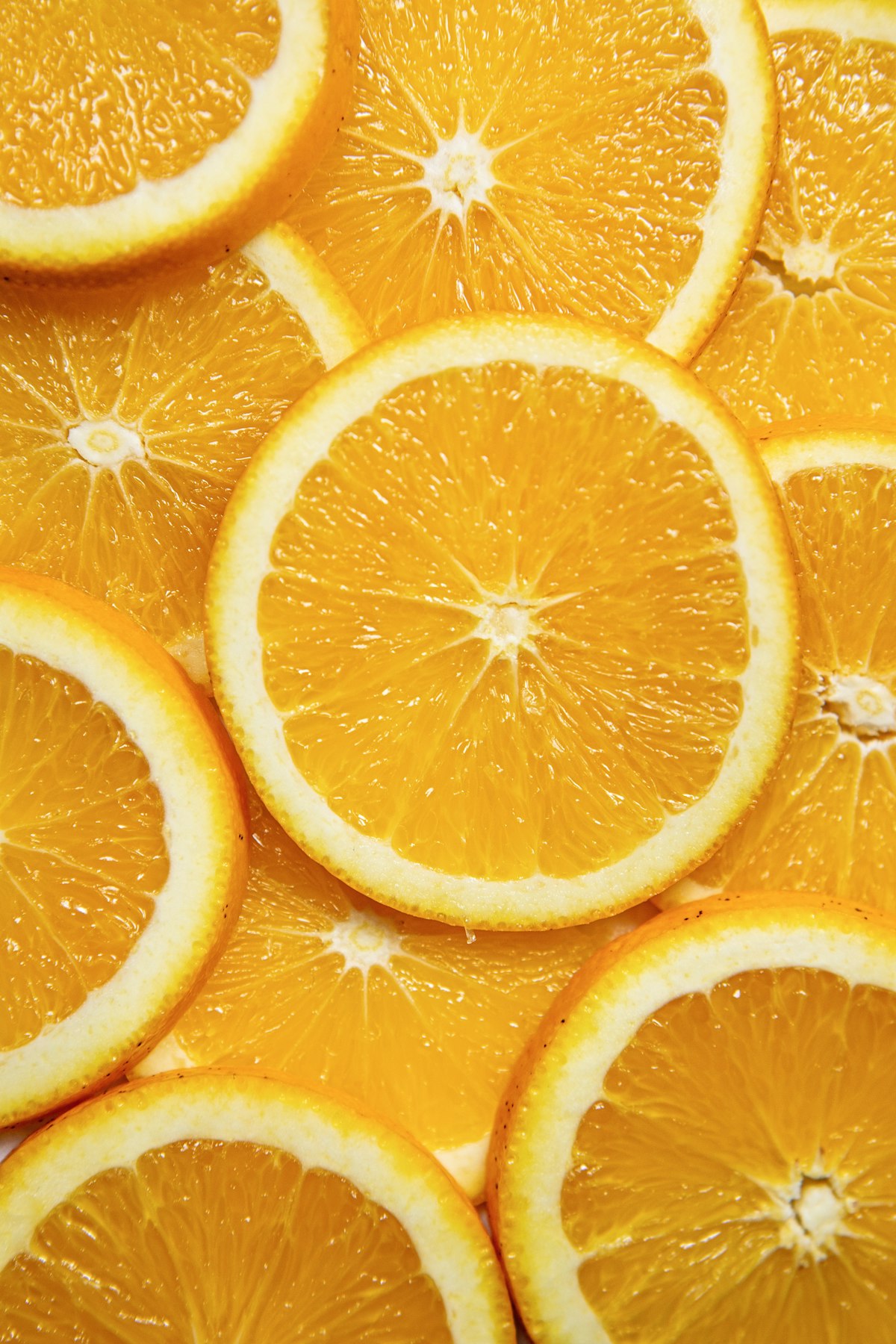
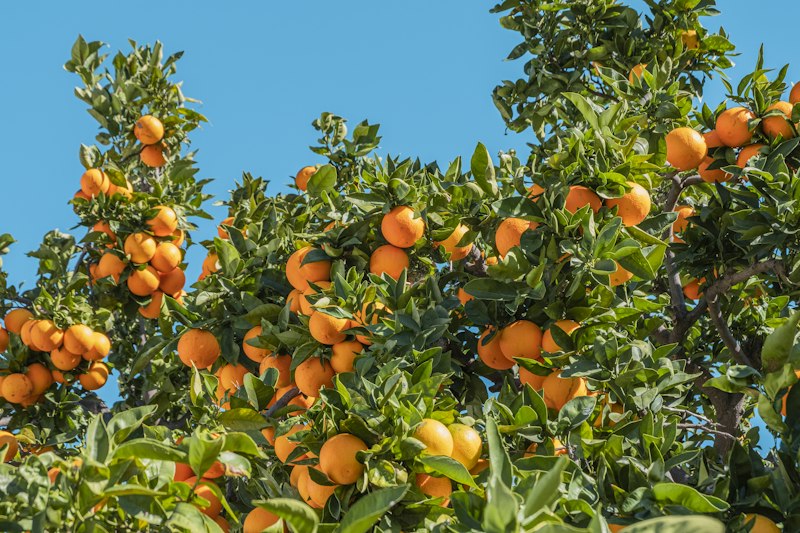
- "Oranges are the best source of vitamin C" — An orange provides about 70 mg — good, but not the best. Red bell pepper (180 mg/100 g), black currants (180 mg), kiwi (93 mg each), and broccoli (90 mg/100 g) all beat citrus fruits. Sea buckthorn contains 400 to 900 mg per 100 g.
- "More is always better" — Absorption drops dramatically at high doses: at 200 mg, 90 to 100% is absorbed; at 500 mg it falls to 75%; and at 1,250 mg it drops below 50%. The excess is excreted through urine. Taking 1,000 mg does not provide five times the benefit of 200 mg — most of it is simply flushed out.
- "Vitamin C causes kidney stones" — At normal doses (under 1,000 mg), there is no increased risk. At high doses (over 2,000 mg), oxalate formation may increase in people prone to kidney stones. Stay under 1,000 mg daily if you have a history of kidney stones.

Cipoli analysis
Group comparison and patternsCipoli group comparison coming soon
In this section, we will compare Cipoli users with high fruit and vegetable intake to those with low intake — and explore how it correlates with immune function, stress, and energy levels.
The analysis will include:
Why isn't the analysis available yet? To create meaningful group comparisons, we need enough anonymized responses from our users. The more people who map their health, the better and more reliable the analyses become.
Help us get there faster
Invite a friend to Cipoli — the more of us there are, the smarter and more detailed our analyses become. Together, we are building the most compelling health dataset.
🌱Spread the word